
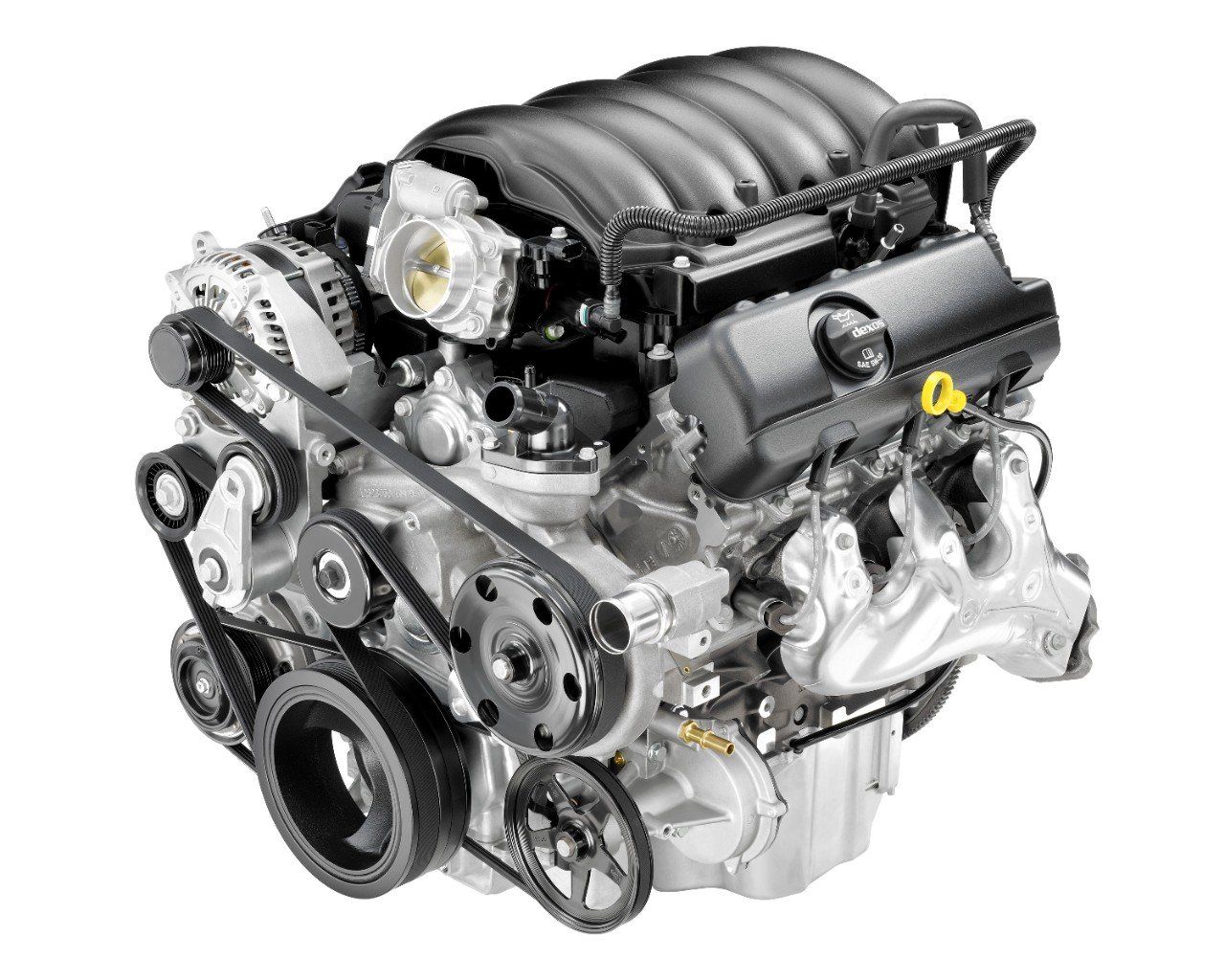
FlowWright v9.7 Self-Optimizing Workflow Engine
FlowWright v9.7 introduces a self-optimizing workflow engine that automatically updates its configuration without disrupting execution or performance. Instead of stopping and restarting services whenever settings change or new tenants are added, the engine now refreshes itself in the background. This release is built for modern, distributed environments where reliability, scale, and automation are non-negotiable.
Over time, FlowWright engines have gone through algorithmic changes as technologies have advanced. One important change is the use of child processes: our engine launches child processes to process each workflow such that the crashing of one process does not affect any other process. This feature improved engine stability and helped with better distributed processing.
With prior versions of FlowWright engine configuration changes required stopping and restarting engine services. With v9.7, we solved this problem by automatically refreshing engine configuration every 5 minutes.
FlowWright v9.7 is fully multi-tenant and this new ability to automatically adjust for configuration changes through the new tenant manager ensures that any # of new tenants can be added and that engines for each tenant will be refreshed with the latest configuration.
FlowWright engines were already built to self-optimize based on configuration, but now this optimization is enhanced. For example, if tenants are made inactive, engines auto-update their configuration and will no longer look for work to be performed in these inactive tenants.
Self-updating software engines is not a new concept, but the algorithms used to perform these operations are new: intelligence is key, and data-driven intelligence provides maximum efficiency and results.
FlowWright software engines are continuously optimized and our benchmarks show that these improvements to managing configuration changes, along with pipeline processing optimizations, will tremendously increase workflow processing engine performance.
The Operational Impact: Why Self-Optimization Matters
Moving beyond specific version numbers, the shift to a self-updating and self-optimizing engine architecture represents a fundamental change in how enterprises manage uptime. In traditional workflow environments, changing a configuration or onboarding a new tenant often requires a "maintenance window"—a scheduled downtime where services are stopped and restarted. FlowWright’s self-optimizing architecture eliminates this bottleneck.
By decoupling the configuration refresh cycle from the execution engine, organizations achieve:
- True Zero-Downtime Operations: Update connection strings, modify logging levels, or adjust thread counts in real-time without stopping the engine. The system "heals" its own configuration state automatically every 5 minutes.
- Fault Isolation via Child Processes: In high-volume environments, a single "bad" workflow instance can crash a monolithic engine. By using isolated child processes for execution, a failure in one workflow is contained, preventing it from bringing down the entire system.
- Dynamic Resource Allocation: The engine is "tenant-aware," meaning it intelligently stops polling inactive tenants. This ensures your compute resources are focused solely on active business processes, reducing CPU waste and cloud infrastructure costs.
FAQs: FlowWright v9.7 Self-Optimizing Engine
What is a self-optimizing workflow engine?
A self-optimizing workflow engine automatically adjusts its behavior based on configuration and runtime data. In FlowWright v9.7, the engine refreshes its settings on a schedule, aligns processing with active tenants, and uses optimized pipelines to improve performance without manual restarts.
Do I still need to restart services after configuration changes?
In most cases, no. With v9.7, configuration changes are picked up automatically as the engine refreshes itself in the background. You can still restart services when needed, but common updates no longer require planned downtime.
How does FlowWright v9.7 support multi-tenant deployments?
The v9.7 engine works with a tenant manager to detect when tenants are added or deactivated. It begins polling active tenants for work and stops polling inactive ones, so resources are focused where they are actually needed.
Will these optimizations affect existing workflows?
Existing workflows continue to run as designed, but they benefit from improved stability and performance. The use of isolated child processes and optimized pipelines reduces the risk of cascading failures and helps workflows complete more efficiently.
Can I see performance benchmarks for v9.7?
Yes. Our team can share representative benchmark results and walk through how they map to your environment and workload patterns during a demo or technical discussion.
Want to see our workflow engine is practice? Let's Talk.
See of FlowWright IDP in action. Let's customize your free proof of concept (POC).
Why FlowWright?
Platform
Resources
Socials
Reviews